

The Australian Registrar of Trade Marks ruled against Eminem, saying that he does not use his “Shady” trademarks in certain merchandise categories, opening the door for others to register similar marks.
Mistaken identity
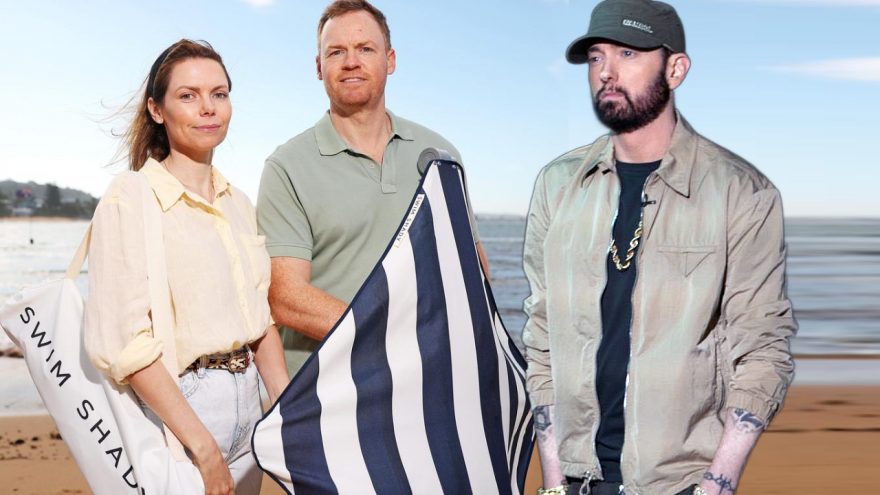
The dispute began when Marshall’s team tried to stop Australian beachwear company Swim Shady from using a name that was too closely associated with his stage alter ego, Slim Shady. Eminem’s lawyers argued that consumers might believe that towels, beach shades, swim bags, and swim shorts that Swim Shady sells across Australia were somehow connected to Eminem, claimed his opposition filing.
The case soon spread internationally, as former National Rugby League executive Jeremy Scott, who launched Swim Shady in late 2024, also sought trademark protection in several countries, including the US, the UK, and Japan, where Eminem’s legal team challenges this move. The Australian ruling will have important implications for all those individual cases.
Real Slim Shady
In the Australian case, the ruling was based on the fact that Eminem had not been using his trademarks in several specific categories, such as clothing, footwear, bags, and leather goods. That was the line of defence Swim Shady chose from the very beginning, and the evidence they submitted showed that only a small portion of merchandise sold in Australia were branded as “Shady” or “Shady Limited”.
Additionally, trademark adjudicator Benjamin Goldsworthy found insufficient evidence that Eminem exercised “actual control” over the sale of the merchandise in Australia. He noted that the “Shady” name was generally used in conjunction with broader Eminem branding and references to Slim Shady, rather than functioning as a standalone product brand in the Australian market.
This means that starting from August 1, the “Shady” and “Shady Limited” trademarks will lose protection in several merchandise categories. However, Eminem will retain trademark protection in music and electronics categories.
Legal grounds
Importantly, the Australian decision shows how Eminem’s exclusive trademark rights to the Shady brand can be challenged. Usually, trademark law requires businesses to actively use registered marks and exercise control over how those marks are applied in commerce.
So, while the UK and Japan generally follow a “first-to-file” system for granting protection to a brand owner, they can revoke it if a trademark is not in use for a certain period of time. It is sometimes called “cancellation for abandonment”. And while the amount of merchandise Eminem releases in the US might protect the brand, years of low activity outside his home country might jeopardise the validity of his trademark abroad.
In any case, even the Australian case is not completely over yet, as Eminem’s lawyers have until July 22 to appeal the ruling.